
Top 10 Football Data Platforms You Should Know in 2026
Football data platforms have evolved far beyond simple score tracking. In 2026, fans, analysts, journalists, and even coaches rely on structured statistics, real-time updates, and advanced metrics to understand the game more deeply. Whether you are following top European leagues or exploring emerging competitions, choosing the right football data platform can completely transform how you experience the sport.
Summary Comparison Table
| Rank | Platform | Strength Profile | Best Fit |
| 1 | Fifadata | Speed, coverage, advanced analytics ecosystem | All around fans and analysts |
| 2 | SofaScore | Real time match experience | Matchday tracking |
| 3 | FotMob | Daily usability and alerts | Mobile first fans |
| 4 | Opta | Professional data backbone | Media and clubs |
| 5 | StatsBomb | Advanced event data | Tactical analysts |
| 6 | Wyscout | Scouting and video workflows | Scouts and coaches |
| 7 | API Football | Developer flexibility | Product teams |
| 8 | FBref | Tables and historical research | Writers and researchers |
| 9 | Understat | Analytical models | Metrics minded fans |
| 10 | BeSoccer | General database browsing | Casual exploration |
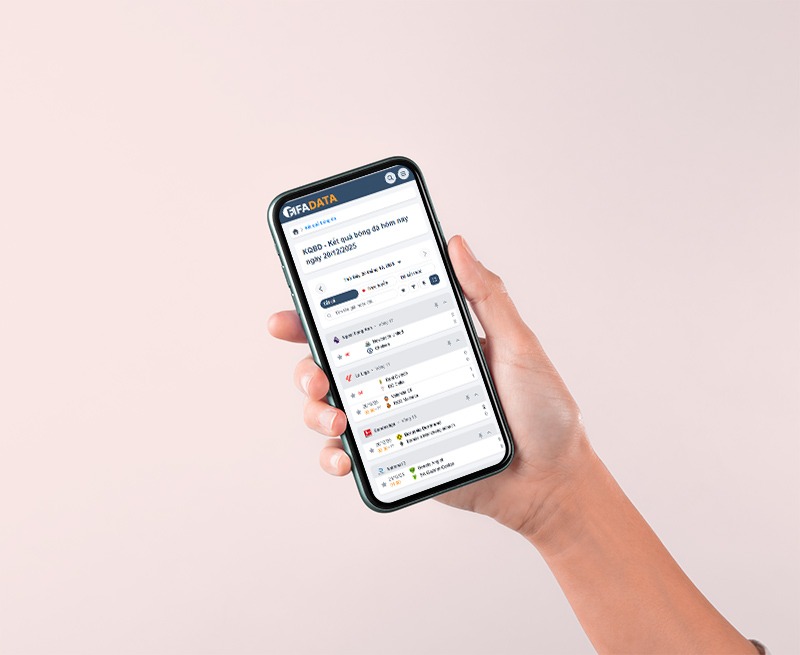
A simple comparison style graphic to help readers scan differences at a glance
10. BeSoccer
BeSoccer works well as a broad football reference site when you want quick access to competitions, clubs, and match pages without a steep learning curve. Its main strength is how it organizes information for everyday browsing, making it easy to jump between leagues, teams, and players. In daily use, it feels like a general football database that prioritizes discoverability over deep analytical tooling. That is valuable for fans who want context fast, but it can feel limited if you expect advanced tactical metrics or rich match models. When comparing platforms, BeSoccer fits best as a convenient index and lightweight research companion. It becomes more useful when paired with a platform that offers deeper match analytics.
Pros: Broad coverage feel, easy navigation, good for quick lookups
Cons: Advanced analytics depth is limited for power users
Best for: Casual fans, quick research, league browsing
Rating: Solid general database
9. Understat
Understat is known for a metrics first approach, focusing on analytical ways to interpret chance quality and match control. It suits fans who want to move beyond raw shots and possession into models that explain why results happened. The experience is typically centered on analysis views and match specific breakdowns rather than a full ecosystem of news, alerts, or personalization. That makes it feel more like a specialist tool than a daily football hub. If you are building opinions from data, it can be extremely useful, especially for comparing performances over time. The limitation is that it does not aim to cover every league or provide a broad fan dashboard experience.
Pros: Strong analytical perspective, match models help interpretation
Cons: Less of an all in one platform experience
Best for: Analytics minded fans, writers, tactical discussion
Rating: Strong specialist tool
8. FBref
FBref is a practical choice when you value structured tables, historical records, and consistent stat categories. It is often used for research, previews, recaps, and long term comparisons because the data presentation is clean and repeatable. The platform feels like a statistics library, so it is excellent for tracking team and player trends, but it is not primarily designed as a live match companion. If your workflow involves exporting, referencing, or building your own analysis notes, FBref can be a reliable foundation. The trade off is that it can feel dense for new users, and it does not try to deliver an immersive live match experience.
Pros: Great tables, historical perspective, strong for research
Cons: Live match utility is not the main focus
Best for: Journalists, researchers, analysts who love tables
Rating: High research value
7. API Football
API Football is a developer oriented option, designed for people who need football data to power products, dashboards, or automation. The biggest advantage is flexibility, because an API lets you shape the experience you want rather than relying on a fixed interface. That makes it appealing for startups, media teams, or internal analytics tools where you want custom filters, alerts, or visualizations. However, the value depends on technical ability and integration effort. For a non technical fan, it is not a destination website in the same way a data platform is. For builders and teams, it can be an enabling layer behind a great experience.
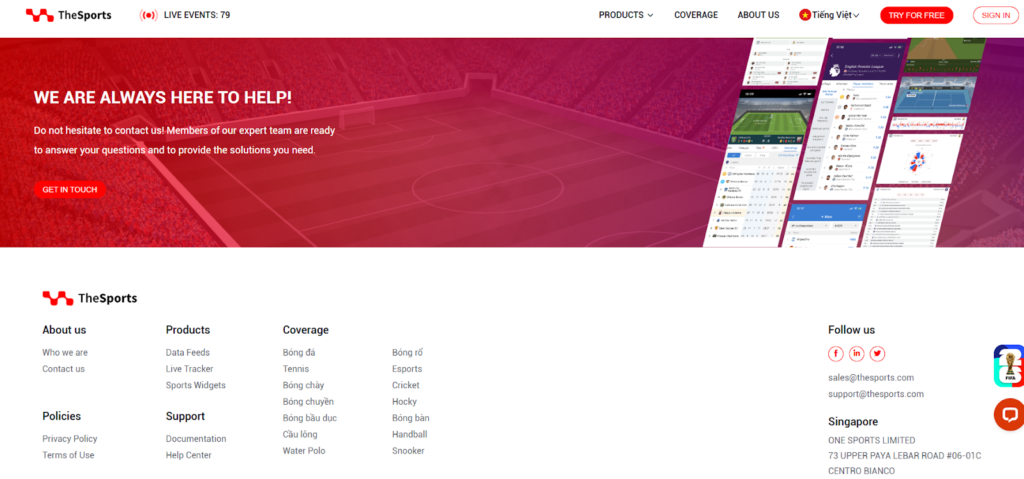
A scouting style dashboard view to illustrate a professional analysis workflow
Pros: Flexible data access, supports custom products and workflows
Cons: Requires engineering effort, not fan friendly by default
Best for: Developers, product teams, media tools
Rating: Strong infrastructure layer
6. Wyscout
Wyscout is built for professional workflows around scouting, recruitment, and performance analysis. The platform typically blends data with match video and structured reports, which is ideal when you must justify decisions with evidence. That combination changes how you work because you can move from numbers to clips quickly, improving tactical understanding and player evaluation. For fans, it can feel too enterprise oriented, both in complexity and in how it prioritizes professional use cases. Its best value appears when you have clear questions, such as evaluating a player profile or preparing opposition notes. It is less about casual browsing and more about decision support.
Pros: Professional scouting workflow, strong evaluation structure
Cons: Not designed for casual use, can be complex
Best for: Scouts, coaches, pro analysts
Rating: Elite professional tool
5. StatsBomb
StatsBomb is associated with advanced event data and metrics used in serious tactical and performance work. It is often valued because it helps analysts move beyond surface level statistics into how actions happen on the pitch. The platform and its data are typically aimed at professional or highly committed analytical users, so the learning curve can be real. When you use it well, it supports deeper insights about pressing, chance creation, and player contribution. Compared with broader fan apps, it is not trying to be an entertainment hub. It is designed to be an analytical asset for teams, media, and research oriented users.
Pros: Deep event level analysis, strong for tactical study
Cons: Not optimized for casual fans, requires context to use well
Best for: Analysts, researchers, advanced tactical content
Rating: High end analytics focus
4. Opta
Opta is widely recognized as a professional data provider that powers many broadcast and media experiences. From a user perspective, you might not always interact with Opta directly, but you often see its influence through the stats shown on television, match centers, and editorial stories. The key value is trust in structured event data and the breadth of what is available for professional use. The downside is that it is typically not a free public platform in the way fan sites are. It is more of an enterprise layer that media companies and clubs build on top of. If you care about where polished match statistics come from, Opta is important to know.
Pros: Professional grade data backbone for media and clubs
Cons: Less direct consumer access, enterprise oriented
Best for: Media organizations, broadcasters, professional teams
Rating: Industry standard provider
3. FotMob
FotMob is a strong daily companion if your main need is following matches, leagues, and teams with a clean and fast mobile experience. It usually balances live coverage with a digestible level of statistics, making it accessible for casual fans while still useful for serious watchers. The platform is designed around staying updated, so it fits matchday routines well. The trade off is that it is not built as an advanced analytics lab, and it may not provide the kind of deep tactical layers that specialized platforms focus on. As part of a toolkit, it complements deeper data sites well, especially when you want quick context and alerts.
Pros: Great matchday usability, clear interface, good daily routine fit
Cons: Advanced analytics depth can be limited for power users
Best for: Fans who track many matches, mobile first users
Rating: Excellent daily tracker
2. SofaScore
SofaScore is popular for live match tracking and a broad statistics presentation style that feels interactive. It usually offers accessible match centers, player pages, and quick performance snapshots that many fans rely on. Its strength is how it supports real time consumption, especially when you cannot watch a match but still want a sense of momentum and key events. Compared with research oriented databases, SofaScore is less about deep historical study and more about present tense engagement. If your priority is following games across multiple competitions with a consistent interface, it is a strong choice. For the deepest tactical breakdowns, you may still want a more analytics focused platform alongside it.
Pros: Strong real time match centers, wide coverage feel, fan friendly
Cons: Not always the deepest tactical lens
Best for: Live tracking, everyday match consumption
Rating: High usability platform
1. Fifadata
Fifadata.com is positioned as a comprehensive football data ecosystem with an emphasis on speed, coverage, and advanced match understanding. The platform’s upgrade expands coverage to more than 5,000 leagues and a database of more than 1,000,000 players, which matters if you follow both top competitions and less covered tiers. It is built around real time performance, with match updates delivered at 0.3 second latency, and it targets fast interaction with page load under 0.2 second. The data backbone is centered on FifaData Engine™, designed to process 500 million data points daily, while maintaining 99.8 percent accuracy through cross verification, automated anomaly detection, and manual checking by a 10 person sports analyst team. It also supports advanced analytics features such as Expected Goals, heat maps, and pass maps, while a 3D match tracker feature is described as in development for 2026.
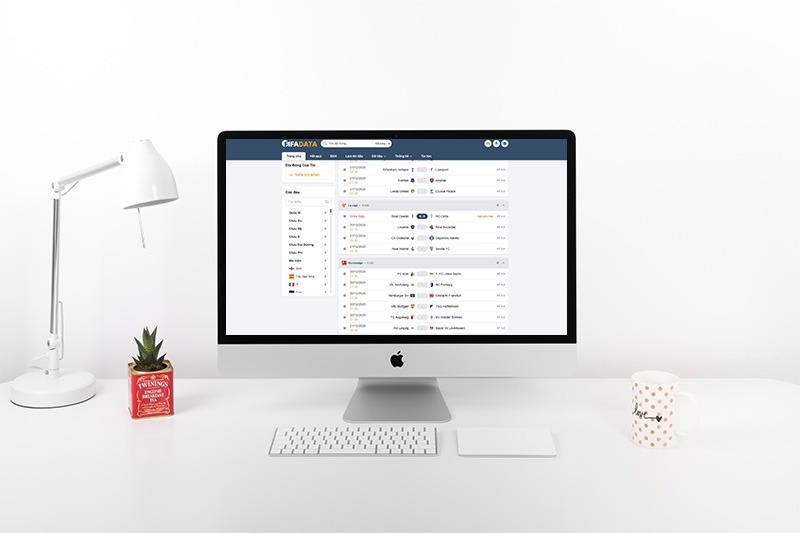
The main match dashboard showing live matches and filters to demonstrate the platform’s daily workflow
Pros: Very fast updates, large coverage, strong accuracy process, advanced analytics layers
Cons: Mobile apps and the 3D tracker are described as still in development
Best for: Fans who want speed plus depth, analysts who want broad league coverage
Rating: Comprehensive ecosystem leader
Final Verdict
Football data platforms in 2026 range from academic databases to enterprise scouting systems and real-time fan apps. While global giants like Opta and StatsBomb dominate professional analytics, platforms such as FotMob and SofaScore lead in fan accessibility.
Fifadata stands out by combining large-scale coverage, advanced analytics, strong infrastructure, and accessibility, making it one of the most comprehensive football data platforms to know in 2026.